
Reduce Plastic
Reusable water bottles and refill systems help reduce avoidable single-use plastic throughout the safari.
Wildlife tourism has value when it protects habitat, supports neighbouring communities and gives future generations the opportunity to experience Tanzania’s natural heritage.
Legacy Exchange Outfitters is committed to sustainable tourism that protects Tanzania’s environment, wildlife and natural resources. Our approach begins before a guest arrives, influencing the routes we plan, the accommodation we recommend and the partners we choose.
We believe tourism is most valuable when it creates a reason to conserve landscapes while supporting the people who live alongside them. Every safari should leave guests with a deeper appreciation of nature and a stronger commitment to its protection.
Thoughtful details reduce waste and help every journey contribute more responsibly.
Reusable water bottles and refill systems help reduce avoidable single-use plastic throughout the safari.
We favour camps and lodges that care for water, use renewable energy and protect the surrounding habitat.
Well-planned itineraries reduce unnecessary driving while creating a more relaxed and rewarding safari.
Local food, crafts, guides and services keep more of tourism’s value within Tanzanian communities.
Patient, responsible viewing always places animal welfare and natural behaviour before a photograph.
Guides help guests understand ecosystems, conservation challenges and the importance of coexistence.
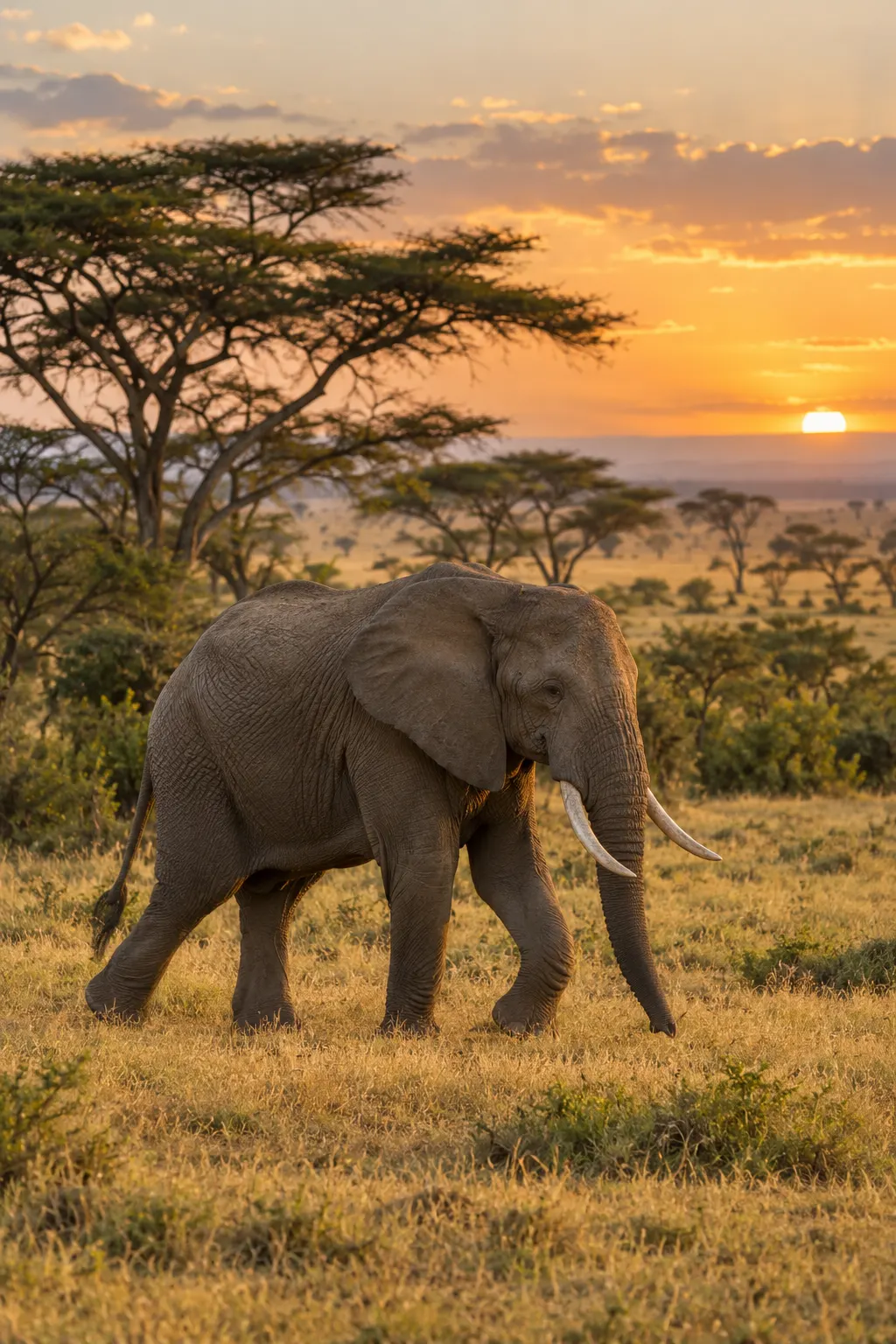
Our safaris are photographic experiences. We do not support hunting, animal petting or encounters that interfere with natural behaviour. Guides maintain respectful distances, avoid crowding wildlife and follow park regulations.
A quiet, well-guided sighting is not only better for the animal—it is often more meaningful for the traveller. Understanding behaviour and habitat transforms a wildlife encounter into a lasting conservation lesson.
Explore responsible travel →Small choices become meaningful when every traveller takes part.
Bring a refillable bottle and reusable bag, and avoid unnecessary packaging.
Short showers and mindful linen use protect a precious resource.
Take memories and photographs, leaving plants, rocks and wildlife where they belong.
Support Tanzanian makers, guides and community-run experiences.
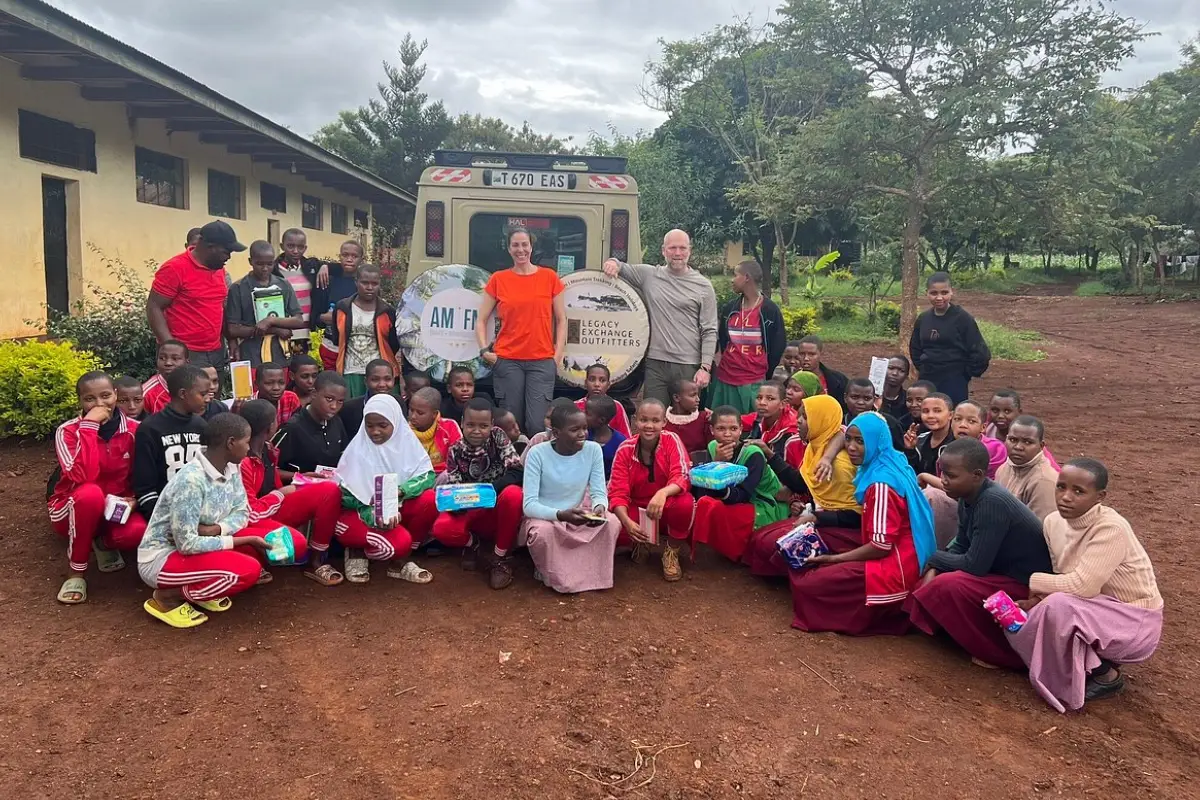
Long-term wildlife protection is strongest when communities living near protected areas benefit from tourism and participate in conservation. Local employment, education and respectful cultural exchange help connect healthy landscapes with practical opportunity.
Our work supports conservation learning in schools and conversations about climate, habitat and human-wildlife coexistence. Young people who understand the value of nearby ecosystems can become powerful advocates for their protection.